Microsoft Winds Down Oracle AI Cloud Capacity Deal
Share: https://www.ellixorlabs.com/blog/microsoft-winds-down-oracle-ai-cloud-capacity-deal (copy URL for iMessage or social)
Published (display in IST)
Updated (IST)
Microsoft is winding down a 2023 deal to rent AI compute from Oracle after declining to renew, Bloomberg and Reuters reported. Older Nvidia chips no longer fit its needs as it reassesses billions in outside cloud partnerships.
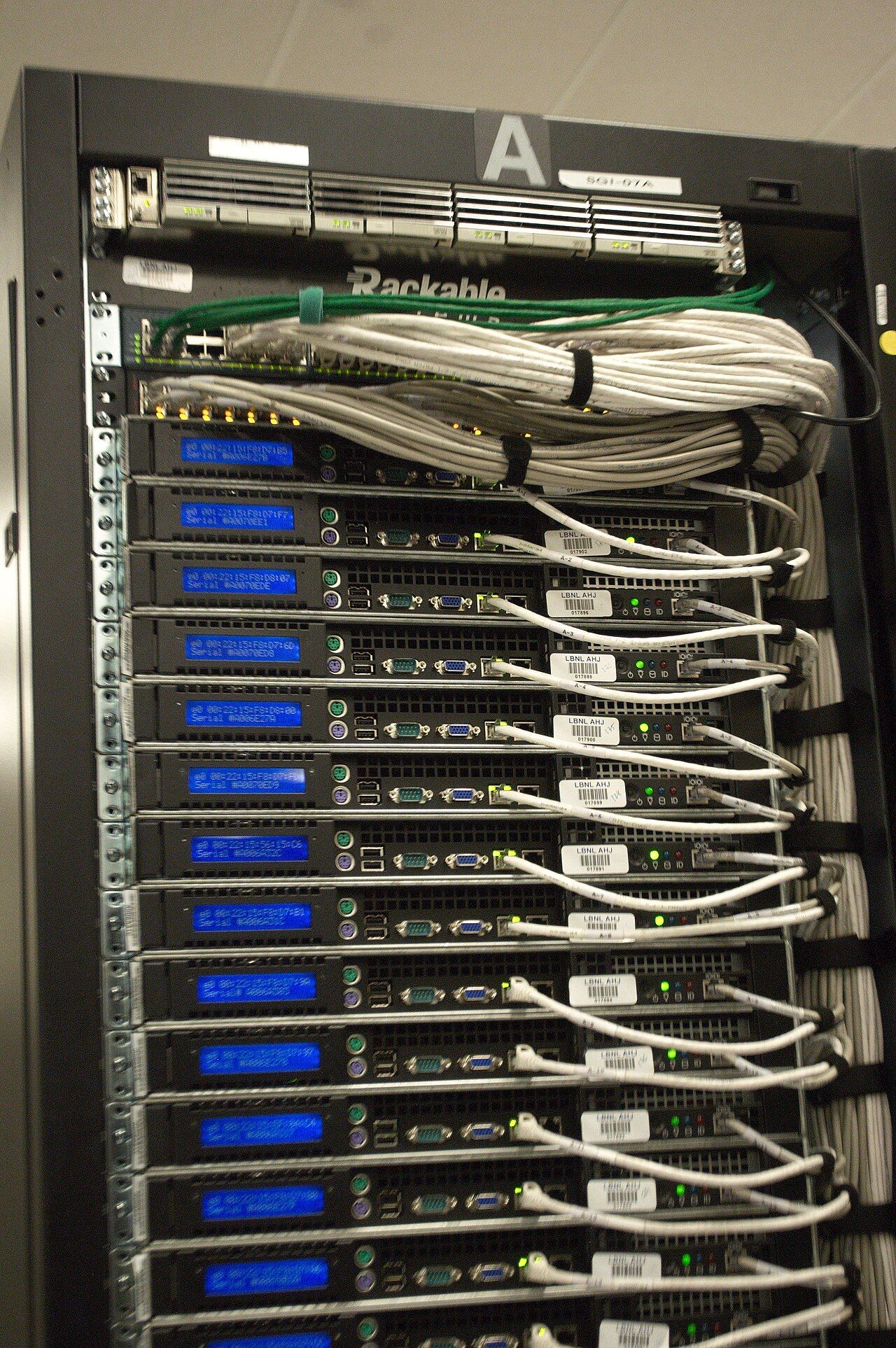
Photo: Derrick Coetzee / Wikimedia Commons, CC0. Source: https://commons.wikimedia.org/wiki/File:Rear_of_rack_at_NERSC_data_center_-_closeup.jpg
Microsoft is winding down a multi year arrangement to rent AI computing from Oracle after declining to renew the contract, Bloomberg News reported on 6 November 2026, with Reuters confirming the account and an Oracle response. The Windows maker has been turning the rented capacity off in recent months because the Oracle hardware used older generation Nvidia chips that no longer matched its needs, people familiar with the matter told Bloomberg. For founders building on rented GPU fleets, the story is a clear answer to a hard question: even billion dollar AI capacity deals get reopened when the chips age out or partner delivery slips.
What happened to the Microsoft Oracle AI deal
Oracle announced the multi year deal in 2023, saying Microsoft would use Oracle Cloud Infrastructure AI servers to power AI assisted Bing. Financial terms were never disclosed. Separate talks for Microsoft to lease more Oracle capacity collapsed in June 2026, Business Insider reported earlier, according to The Next Web. On Friday, an Oracle spokesperson told Reuters: "Demand for OCI's (Oracle Cloud Infrastructure) AI infrastructure remains strong, including for earlier generation GPUs." Microsoft did not immediately comment to Reuters on the Oracle wind down. In a broader statement to CNBC about neocloud partnerships, a Microsoft spokesperson said its infrastructure strategy is "built on flexibility and choice," adding: "We combine Microsoft-owned datacenters, leased facilities and strategic partnerships with third-party providers to deliver the capacity our customers need, where and when they need it. We regularly review these investments against customer demand. That includes tracking delivery and adjusting plans as circumstances change."
Why this matters for founders and AI builders
The Oracle exit sits inside a larger Microsoft reassessment of outside AI cloud partners. The Next Web, citing Bloomberg, said Microsoft has committed more than $80 billion to rent capacity from firms such as CoreWeave, Nscale and Nebius, and that leaders have grown frustrated with costs and delays. CNBC reported Microsoft is shrinking its roster of neocloud partners while prioritising its own data centre footprint, and that two people said Microsoft opted not to renew the Oracle deal. IREN said Microsoft requested networking changes that push more than $4 billion in annualised revenue capacity from year end into January, with a possible further delay to late February. Microsoft also declined an option to more than double a Nscale Texas agreement and earlier walked away from a Nscale site in the UK over power access. The Nasdaq AI chip selloff this week already reminded markets that AI infra valuations are fragile; see our note on the /blog/nasdaq-correction-ai-chip-selloff-november-2026 correction and Fal's /blog/fal-1-3b-series-f-16b-valuation inference raise. The founder lesson is practical: treat hyperscaler and neocloud commitments as living contracts. Chip generation, power, networking and delivery dates can unwind the economics faster than your product roadmap.
What to watch next
Watch which neoclouds Microsoft keeps as it finishes its evaluation, whether CoreWeave and Nebius earnings next week show customer concentration risk, and how Oracle fills the freed capacity given its heavy data centre spend. Also watch OpenAI's multi cloud mix, including Oracle, against Microsoft's Azure first history, and whether more hyperscalers publish community style data centre transparency like /blog/openai-community-compact-data-center-ndas. Primary reporting: Reuters via Investing.com at https://www.investing.com/news/stock-market-news/microsoft-is-winding-down-oracle-deal-to-rent-ai-cloud-capacity-bloomberg-news-reports-5008946 , The Next Web at https://thenextweb.com/news/microsoft-winds-down-oracle-ai-cloud-capacity-deal , and CNBC at https://www.cnbc.com/2026/11/06/microsoft-moves-to-consolidate-its-relationships-with-neoclouds-in-ai.html .
Frequently asked questions
Is Microsoft ending its Oracle AI cloud deal? Bloomberg and Reuters reported on 6 November 2026 that Microsoft declined to renew a 2023 deal to rent AI compute from Oracle and has been turning capacity off. Microsoft declined to comment on the Oracle deal specifically; Oracle said OCI AI demand remains strong. Why did Microsoft stop renting Oracle AI capacity? People familiar with the matter told Bloomberg the rented Oracle hardware used older generation Nvidia chips that no longer matched Microsoft's needs. Separately, Microsoft said it regularly reviews owned, leased and partner capacity against customer demand. What does this mean for AI infrastructure startups? It is part of a wider Microsoft review of neocloud partners such as IREN, Nebius and Nscale, with tighter oversight, delayed deliveries and declined expansion options. Founders should treat hyperscaler capacity commitments as reviewable, not permanent.
If you are mapping AI agents or automation onto infrastructure you do not fully control, we can help you design for vendor and capacity risk. Talk to Ellixor Labs at https://www.ellixorlabs.com/contact or explore https://www.ellixorlabs.com/services/ai-solutions .
FAQ
Is Microsoft ending its Oracle AI cloud deal?
Bloomberg and Reuters reported on 6 November 2026 that Microsoft declined to renew a 2023 deal to rent AI compute from Oracle and has been turning capacity off. Microsoft declined to comment on the Oracle deal specifically; Oracle said OCI AI demand remains strong.
Why did Microsoft stop renting Oracle AI capacity?
People familiar with the matter told Bloomberg the rented Oracle hardware used older generation Nvidia chips that no longer matched Microsoft's needs. Separately, Microsoft said it regularly reviews owned, leased and partner capacity against customer demand.
What does this mean for AI infrastructure startups?
It is part of a wider Microsoft review of neocloud partners such as IREN, Nebius and Nscale, with tighter oversight, delayed deliveries and declined expansion options. Founders should treat hyperscaler capacity commitments as reviewable, not permanent.
Talk to Ellixor Labs about this topic.
Source: Reuters