OpenSSH Critical Flaw: Alpine Linux Servers Must Act Now
Share: https://www.ellixorlabs.com/blog/openssh-critical-flaw-alpine-linux-password-bypass (copy URL for iMessage or social)
Published (display in IST)
Updated (IST)
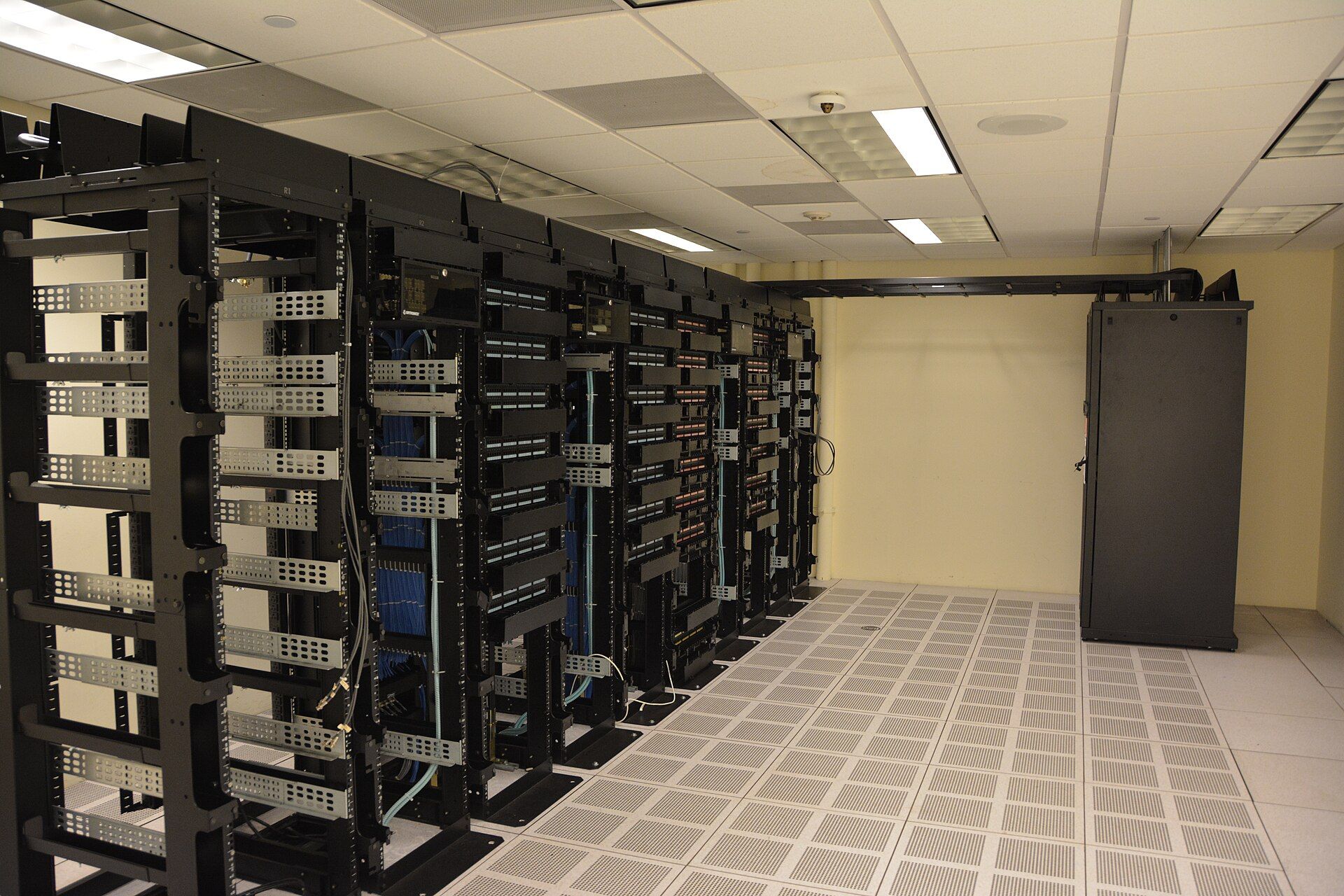
A critical OpenSSH bug lets attackers bypass password logins on some musl based Linux servers, including Alpine. Here is who is affected, how to check and what to do today.
Cover photo: Carl Lender / Wikimedia Commons, CC BY 2.0. View source.
If you run an Alpine Linux server that accepts SSH passwords, the people who maintain OpenSSH want you to switch password logins off today. On 5 November 2026 the project shipped OpenSSH 10.6p2 with what it calls a "critical security workaround" for a password authentication bypass in sshd, the server half of the widely used remote access tool.
The flaw only bites a specific setup: Linux systems built on the musl C library that do not use PAM, the pluggable authentication layer, for password checks. Alpine Linux is one example. But the speed of the release is the real story. OpenSSH developer Damien Miller said the team learned of the problem the day before and pushed the fix out fast because AI tools are now rediscovering bugs within hours.
What happened
Short answer: OpenSSH 10.6p2 blocks a way for attackers to log in to some musl based Linux servers without a valid password. If your server matches, disable password logins or SSH now and upgrade as soon as your distribution ships the fixed package.
According to the official release notes, the bug lets an attacker get past password authentication through sshd on "some Linux systems when built and run with PAM support disabled". The OpenSSH team says the root cause sits outside sshd, but that the hole can be closed there, so they did. The issue was reported by Özgün Kültekin of Wakefield.
Miller set out who should act in a post on Mastodon:
"If you operate a Linux system that uses musl libc without PAM (Alpine Linux is one example) then stop reading and set PasswordAuthentication=no or disable SSH for these systems IMMEDIATELY."
Posted by @damienmiller on Mastodon (Hachyderm), 5 November 2026
In replies, Miller confirmed the problem also applies to builds compiled with PAM support but running with UsePAM set to no. He also listed who is safe: non-Linux systems, Linux systems that use glibc, and Linux systems that use PAM for password authentication. Czech tech site Root.cz reported the same scope and advice. Natanael Copa, who maintains Alpine's OpenSSH package, said on Mastodon that he had checked the source of Dropbear, a lightweight SSH server common on small devices, and that it is not affected.
Alpine's security tracker already lists OpenSSH 10.6_p2-r0 in its edge branch, and Miller thanked the Alpine developers for producing an update "at very short notice". Alpine has used musl as its C library since 2014.
Why it matters for founders
Alpine's small footprint makes it an easy pick for cheap cloud servers, test boxes and container images, exactly the kind of machine that can sit untouched for months. A password bypass on an internet facing SSH port is about as serious as it gets: it could hand an attacker a shell on the machine, and from there a route to your database, code and deployment secrets.
The bigger shift is in the timeline. The OpenSSH team says it has seen "multiple cases of rapid bug rediscovery by AI agents, sometimes within hours", and now regards long embargo periods as "a dangerous practice that primarily benefits attackers". Its release notes add that the project will ship fixes more often rather than batching them. The gap between a fix appearing and someone trying to exploit it is shrinking, and patching once a quarter no longer fits that reality. It is the same lesson as the Binance hack: small gaps in access control become very expensive very quickly.
How do I check whether my server is exposed?
What should I do right now?
If you rely on an agency or freelancer to run your servers, ask them to confirm which of these steps they have taken. Our guide to choosing a web developer in India covers the questions worth raising, and our services page explains how we can help.
What to watch next
Several details are still open. Miller has declined to discuss the underlying root cause for now, and OpenSSH has not published technical details of how the bypass works, so expect a fuller account once more systems are patched. Watch for fixed packages on Alpine's stable branches, updated container base images and any reports of exploitation in the wild.
The wider pattern is worth planning for. OpenSSH has shipped several security releases this year and says many recent bug reports come from AI models or AI assisted research. For small teams, that means fewer long-lived servers with password logins, faster patching and an inventory of what is actually exposed to the internet. If you want help reviewing yours, talk to us.
Frequently asked questions
Which systems are affected by the OpenSSH 10.6p2 critical flaw?
Linux systems that run OpenSSH's sshd with the musl C library and without PAM for password logins, such as Alpine Linux. OpenSSH says non-Linux systems, Linux systems using glibc, and Linux systems that use PAM for password authentication are not affected.
How do I protect an Alpine Linux server from the OpenSSH password bypass?
Set PasswordAuthentication no in sshd_config and restart sshd, after confirming key-based login works, or disable SSH on the machine. Then upgrade OpenSSH to 10.6p2 as soon as a fixed package is available for your Alpine branch.
Is Dropbear SSH affected by the musl OpenSSH vulnerability?
No. Natanael Copa, who maintains Alpine's OpenSSH package, said on Mastodon that he checked the Dropbear source code and that Dropbear is not affected.
FAQ
Which systems are affected by the OpenSSH 10.6p2 critical flaw?
Linux systems that run OpenSSH's sshd with the musl C library and without PAM for password logins, such as Alpine Linux. OpenSSH says non-Linux systems, Linux systems using glibc, and Linux systems that use PAM for password authentication are not affected.
How do I protect an Alpine Linux server from the OpenSSH password bypass?
Set PasswordAuthentication no in sshd_config and restart sshd, after confirming key-based login works, or disable SSH on the machine. Then upgrade OpenSSH to 10.6p2 as soon as a fixed package is available for your Alpine branch.
Is Dropbear SSH affected by the musl OpenSSH vulnerability?
No. Natanael Copa, who maintains Alpine's OpenSSH package, said on Mastodon that he checked the Dropbear source code and that Dropbear is not affected.
Talk to Ellixor Labs about this topic.
Source: Damien Miller, OpenSSH