Refrigeration Hacks: What CISA and the FBI Want Businesses to Do
Share: https://www.ellixorlabs.com/blog/cisa-fbi-cold-chain-refrigeration-hacks (copy URL for iMessage or social)
Published (display in IST)
Updated (IST)
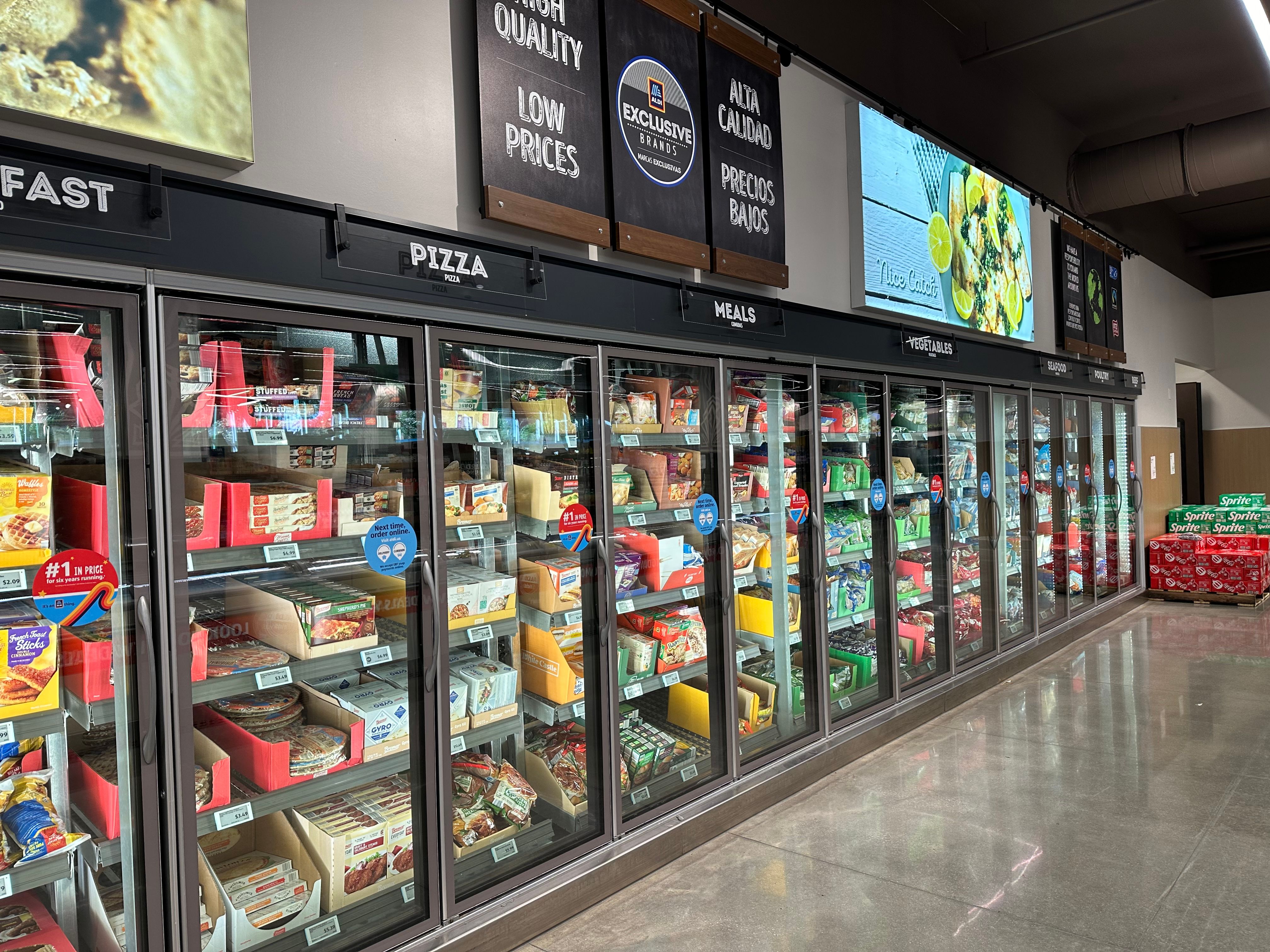
US agencies warned on 5 November that attackers are tampering with internet-facing refrigeration controllers. Here is who is exposed and what cold chain businesses should check this week.
Four days after US agencies warned that hackers are tampering with refrigeration controllers, the real question for any business with a cold room is simple: can someone on the internet change your temperatures tonight? For most restaurants, grocers, pharmacies and cold stores the answer depends on a box their refrigeration contractor installed and nobody in the business has looked at since. This guide explains what the official advisories say, why these devices are exposed, and the checks worth doing this week.
What did CISA and the FBI say on 5 November?
In a joint statement released on 5 November 2026, CISA, the FBI and the US departments of Health and Human Services, Agriculture and Transportation said attackers worldwide are targeting electronic temperature controllers and commercial refrigeration controllers in grocery and cold storage sites. Their fact sheet lists three ways in: authentication bypass, code injection and weak configuration. Once inside, an attacker can force units into continuous heating or defrost, shorten equipment life, create a fire hazard, spoil stock, or cause a denial of view so staff cannot see current temperatures. In an FBI video briefing, the bureau says attackers are getting in through controllers that are unpatched, exposed online or still using the default passwords printed in the manual. The agencies have not named an attacker.
Why are fridges suddenly a target?
Modern refrigeration racks are run by small web servers. Contractors connect them to the internet so they can watch alarms and adjust defrost schedules without a site visit, which is convenient and cheap, but it often leaves a login page facing the open internet with a factory password. The kit also lasts for years, so many controllers no longer receive updates. Europe shows what happens next. ENISA says refrigeration systems in several EU member states have been hit since 11 October, with a fresh wave on 1 and 2 November, and France's CERT-FR alert names Danfoss AK-SM and AK-SC controllers and Copeland and Dixell XWEB systems among those compromised. Palo Alto Networks' Unit 42 notes that pro-Russian hacktivist groups have claimed responsibility without proof, while Nextgov/FCW reports that US officials are separately examining freezer failures at military commissaries. Treat any attribution as unconfirmed.
Which businesses are most exposed?
The obvious risk is a supermarket losing a night of frozen stock, but the wider cold chain carries more. A pharmacy or clinic storing vaccines and insulin may have to destroy every dose if it cannot prove temperatures stayed in range. A restaurant or cloud kitchen can lose its walk-in and a day of trading. Dairy, seafood and meat processors, quick commerce dark stores and refrigerated logistics fleets all rely on the same kind of controllers. The denial of view effect matters most for compliance: if the dashboard shows normal readings while the room warms up, food safety and pharmaceutical temperature records become unreliable, and you may not know which stock is safe to sell. As with AI-assisted attacks on Indian fintech and the recent WordPress core flaw, the weak point is usually a forgotten system at the edge of the network rather than the office laptops.
A practical checklist for this week
1. Ask your contractor in writing which controllers and monitoring gateways have remote access, how they connect and who holds the passwords. 2. Remove internet exposure. If a controller login page can be reached from the public internet, disconnect it or move access behind a patched VPN or firewall that only approved addresses can use. Check your maintenance contract and insurance terms before changing the contractor's access. 3. Change every default password and turn on multifactor sign-in where the device supports it. 4. Update firmware and plan replacements for controllers the manufacturer no longer supports. 5. Lock safe setpoint limits so no one can push a freezer above a sensible range, and add a standalone temperature logger with SMS alerts that does not depend on the controller. 6. Rehearse the bad night. Decide who checks stock by hand, who decides what is discarded and how incidents are reported. These steps follow the US fact sheet's mitigations, adapted for smaller operators.
Frequently asked questions
What did CISA and the FBI warn about on 5 November 2026? Together with HHS, USDA and the Department of Transportation, they warned that attackers worldwide are targeting electronic temperature controllers and commercial refrigeration controllers that are unpatched or reachable from the internet. Attackers can push units into continuous heating or defrost, spoil stock, create fire hazards and hide live temperatures from staff. How should a small business secure internet-connected freezers? Ask your refrigeration contractor which controllers allow remote access and how. Take panels off the public internet, or put necessary access behind a patched VPN or firewall. Change default passwords, update firmware, replace unsupported controllers, lock setpoint limits, and add an independent temperature alarm that does not rely on the controller. Have refrigeration hacks already caused real damage? Yes. ENISA says commercial refrigeration systems in several EU member states have been hit since 11 October 2026, with a new wave on 1 and 2 November that forced supermarkets to discard food. France's CERT-FR has reported many compromised remote controllers. No government has publicly confirmed who is responsible.
If you need help mapping which of your systems are reachable from the internet, or building monitoring that alerts the right people, talk to Ellixor Labs.
FAQ
What did CISA and the FBI warn about on 5 November 2026?
Together with HHS, USDA and the Department of Transportation, they warned that attackers worldwide are targeting electronic temperature controllers and commercial refrigeration controllers that are unpatched or reachable from the internet. Attackers can push units into continuous heating or defrost, spoil stock, create fire hazards and hide live temperatures from staff.
How should a small business secure internet-connected freezers?
Ask your refrigeration contractor which controllers allow remote access and how. Take panels off the public internet, or put necessary access behind a patched VPN or firewall. Change default passwords, update firmware, replace unsupported controllers, lock setpoint limits, and add an independent temperature alarm that does not rely on the controller.
Have refrigeration hacks already caused real damage?
Yes. ENISA says commercial refrigeration systems in several EU member states have been hit since 11 October 2026, with a new wave on 1 and 2 November that forced supermarkets to discard food. France's CERT-FR has reported many compromised remote controllers. No government has publicly confirmed who is responsible.
Talk to Ellixor Labs about this topic.
Source: CISA